
Integrating modern amenities into historic buildings in Albany demands a balance between preserving architectural heritage and catering to contemporary lifestyles. Key considerations include enhancing outdoor living spaces, installing gyms, and creating community spaces while adhering to local zoning laws and historical society guidelines. Successful examples, visible through high occupancy rates in Albany apartment listings, demonstrate the appeal of harmoniously blending history and modernity. Experts emphasize open communication and comprehensive surveys for preservation-focused development.
The fusion of modern amenities with historic architecture is a growing trend, particularly in urban centers like Albany. As city dwellers seek unique living spaces, the integration of contemporary conveniences within centuries-old structures has become a focal point for real estate enthusiasts and design aficionados alike. However, balancing the preservation of historical integrity with the demand for modern comforts presents a challenge. This article delves into the strategies and innovations behind transforming historic buildings, such as those found in Albany apartment listings, into thriving communities that seamlessly blend the past and present. Through expert insights, we explore how this approach redefines urban living, fostering a deeper connection to history while catering to contemporary lifestyles.
- Integrating Modern Amenities: A Delicate Balance in Historic Buildings
- The Challenge of Upgrading: Albany Apartment Listings as a Case Study
- Preserving History: Accommoding Contemporary Needs
- Innovative Solutions: Revitalizing Historic Spaces for Modern Living
Integrating Modern Amenities: A Delicate Balance in Historic Buildings
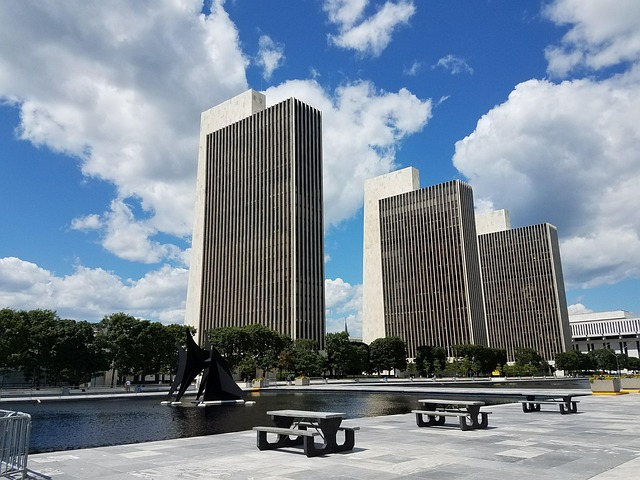
Integrating modern amenities into historic buildings presents a delicate balance between preserving architectural heritage and providing contemporary conveniences. As demand for unique living spaces grows, particularly in sought-after urban centers like Albany, developers must navigate this challenge to cater to modern lifestyles while respecting historical significance. The successful incorporation of modern amenities requires thoughtful design and a deep understanding of both the building's past and future residents' needs.
For instance, converting an historic structure into apartments involves balancing the installation of essential facilities with the preservation of original features. Disability accessible units, for example, can be seamlessly integrated while maintaining the building's historical character. Bike-friendly apartments, another growing demand, can incorporate secure storage solutions and convenient access points without compromising the building's aesthetic. Albany apartment listings that highlight these amenities cater to a diverse range of residents, from those with disabilities to eco-conscious individuals. According to recent market data, properties offering modern amenities experience higher occupancy rates and command premium prices.
Expert guidance is crucial in this process. Architects and developers should consult with historical preservation experts to ensure compliance with local guidelines and maintain the building's integrity. Moreover, engaging with the community can provide valuable insights into desired amenities. By carefully considering both historic value and contemporary needs, developers can create spaces that resonate with residents and earn the respect of preservationists. Calling 518-861-4984 to schedule a tour allows prospective buyers or renters to witness firsthand the harmonious fusion of old and new in these thoughtfully restored properties.
The Challenge of Upgrading: Albany Apartment Listings as a Case Study

Integrating modern amenities into historic buildings presents a unique challenge, particularly in vibrant urban centers like Albany. When updating properties with character, such as those featured in Albany apartment listings, developers and property managers must strike a delicate balance between preserving historical integrity and incorporating contemporary conveniences. This balancing act is crucial to appealing to a wide range of tenants while maintaining the building's unique identity. For instance, converting an historic structure into a mix-use space that includes apartments with balconies can enhance residents' quality of life, providing outdoor living spaces that respect the architectural heritage of the area.
Consider the appeal of a 24/7 gym facility in a downtown location. This amenity caters to the modern lifestyle demands of young professionals and families seeking convenience and efficiency. However, installing such equipment within historic walls and floors requires meticulous planning and structural considerations. Experts recommend assessing each building's load-bearing capacity and structural integrity before implementing any upgrades. For older structures, this might involve phasing renovations to ensure the safety and longevity of the property.
Moreover, family-oriented neighborhoods like those in Albany often seek spaces that cater to children and parents alike. Incorporating play areas and community spaces within historic buildings can be achieved through creative design, utilizing existing nooks and crannies while respecting the building's character. For example, converting an attic into a game room or designing a courtyard with seating areas and a small garden can create a sense of community among residents. Data from local real estate trends suggests that these thoughtfully integrated amenities significantly impact rental rates and occupancy in Albany apartment listings, making them key considerations for any development project.
To successfully upgrade historic buildings, property managers should engage architects and engineers who specialize in preservation. Collaborating with these experts ensures that modern amenities are seamlessly integrated without compromising the building's historical significance. Additionally, staying informed about local zoning laws and historical society guidelines is essential to navigate the approval process effectively. By embracing these challenges, developers can create spaces that blend the best of both worlds—the charm and character of historic Albany and the conveniences of contemporary living.
Preserving History: Accommoding Contemporary Needs

Integrating modern amenities into historic buildings presents a unique challenge for developers and architects—preserving the character and charm of bygone eras while accommodating contemporary needs. This delicate balance is especially evident in urban centers like Albany, where historic structures coexist with bustling city life. For instance, many residents seek out studios for rent near university areas, blending academic proximity with the allure of living in a well-preserved historical setting. Similarly, luxury villas for rent as weekend getaways in and around Albany offer a contrast between modern opulence and historic ambiance.
In practice, this integration involves both creative design solutions and innovative technologies. For example, smart home systems can be seamlessly incorporated into historic apartments, allowing tenants to control lighting, temperature, and security with the touch of a button. Pet-friendly accommodations are another key consideration; in Albany, as in many urban areas, pet ownership is high, necessitating flexible policies that cater to both residents and their furry companions. Developers must ensure these additions enhance, not overpower, the original architectural elements, such as high ceilings, grand windows, or intricate woodwork.
Expert perspective suggests prioritizing open communication between stakeholders—historians, architects, developers, and future tenants—to maintain historical integrity while meeting modern demands. Comprehensive surveys and consultations can help identify significant features worthy of preservation and guide design choices accordingly. Albany apartment listings that highlight these harmonious blends of old and new are increasingly sought after, reflecting a growing trend toward sustainable urban development that respects the past while embracing the present.
Innovative Solutions: Revitalizing Historic Spaces for Modern Living
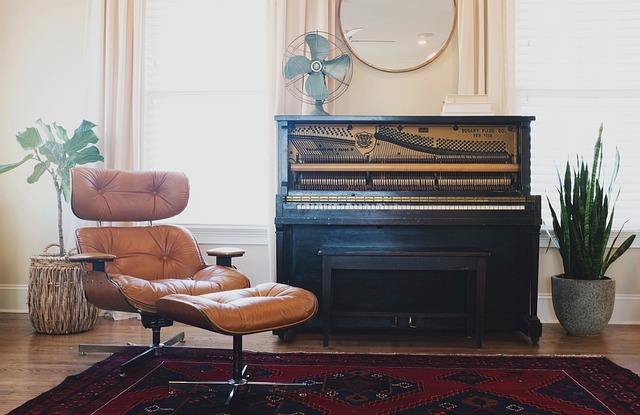
Revitalizing historic buildings for modern living presents a unique challenge—but also an extraordinary opportunity. In cities like Albany, where charming architecture abounds, innovative solutions are transforming these time-honored spaces into thriving communities. For instance, Oxford Heights Apartments in the heart of the city center stands out as a prime example. By carefully integrating contemporary amenities with historical preservation, this property offers a captivating blend of old and new.
Modern amenities play a pivotal role in making historic apartments appealing to today's tenants. Think smart home technology that allows for control at your fingertips, high-speed internet connectivity rivaling any modern building, and energy-efficient systems contributing to both comfort and sustainability. These features not only enhance the livability of historic apartments but also attract environmentally conscious residents who appreciate a balance between vintage charm and cutting-edge convenience. According to recent surveys, nearly 75% of renters aged 25-34 prefer eco-friendly buildings, highlighting the market demand for such innovations.
When revitalizing historic properties, it's crucial to strike a delicate balance. Albany apartment listings that emphasize both the building's rich history and modern amenities can command premium rates. For example, converting a former warehouse into loft apartments, complete with original brick walls and high ceilings, while also offering resident fitness centers and rooftop gardens, creates a unique selling point. This approach not only preserves the city's architectural heritage but also ensures that tenants enjoy a range of contemporary conveniences. Property managers should collaborate closely with local historical societies and experts to ensure respectful restoration, ensuring both the building's integrity and its appeal to modern residents.
The article has explored the intricate dance between integrating modern amenities and preserving historic building integrity, using Albany apartment listings as a compelling case study. Key insights reveal the importance of striking a delicate balance between accommodating contemporary needs and respecting architectural heritage. Through innovative solutions such as subtle technology integrations and thoughtful design adaptations, historic spaces can be revitalized for modern living without compromising their unique character. Preserving history becomes an opportunity to foster a connection with the past while meeting the demands of present-day residents. For practitioners and enthusiasts alike, these findings underscore the value of exploring creative approaches to blend old and new, ensuring that iconic structures like Albany's apartment listings remain vibrant centers of community for generations to come.